tecnologia · Editorial pillar Published 5 Nov 2026 min read
Solar Battery: 5 or 10 kWh? How to Know Which You Need
Size a home battery by what you use after dark, not by panel kW. How to measure your night-time use, and when 5 kWh is enough or 10 is worth it.
We get requests like «5 kW of panels with a 10 kWh battery» or «a 5 kWh battery». Either can be right. You don’t choose a battery by the kW of panels or by the price: you choose it by what your home uses when there is no sun.
The rule: the battery stores what you use without sun
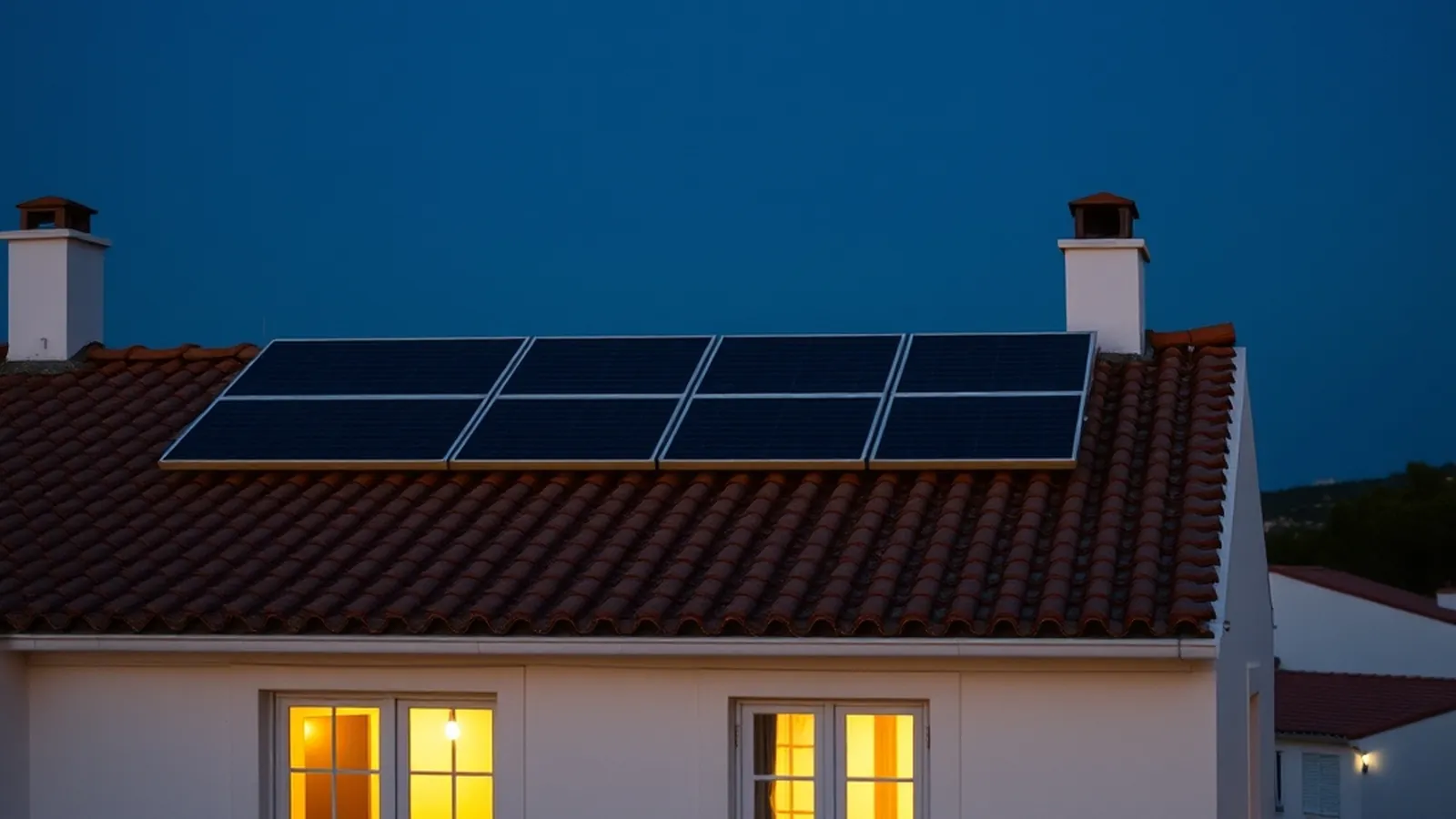
During the day, the panels cover what the house uses and the surplus charges the battery. In the evening and overnight, the battery gives that energy back. So the capacity you need is what you use from sunset until the panels start producing again.
- If you use less at night than the battery holds, it sits half-full most days: you pay for capacity you don’t use.
- If you use more, it runs out before dawn and you buy the rest from the grid.
Illustrative example: a home that uses 4 kWh between the evening and the morning makes almost full use of a 5 kWh battery. With a 10 kWh one, more than half goes unused most nights.
How to find out what you use without sun
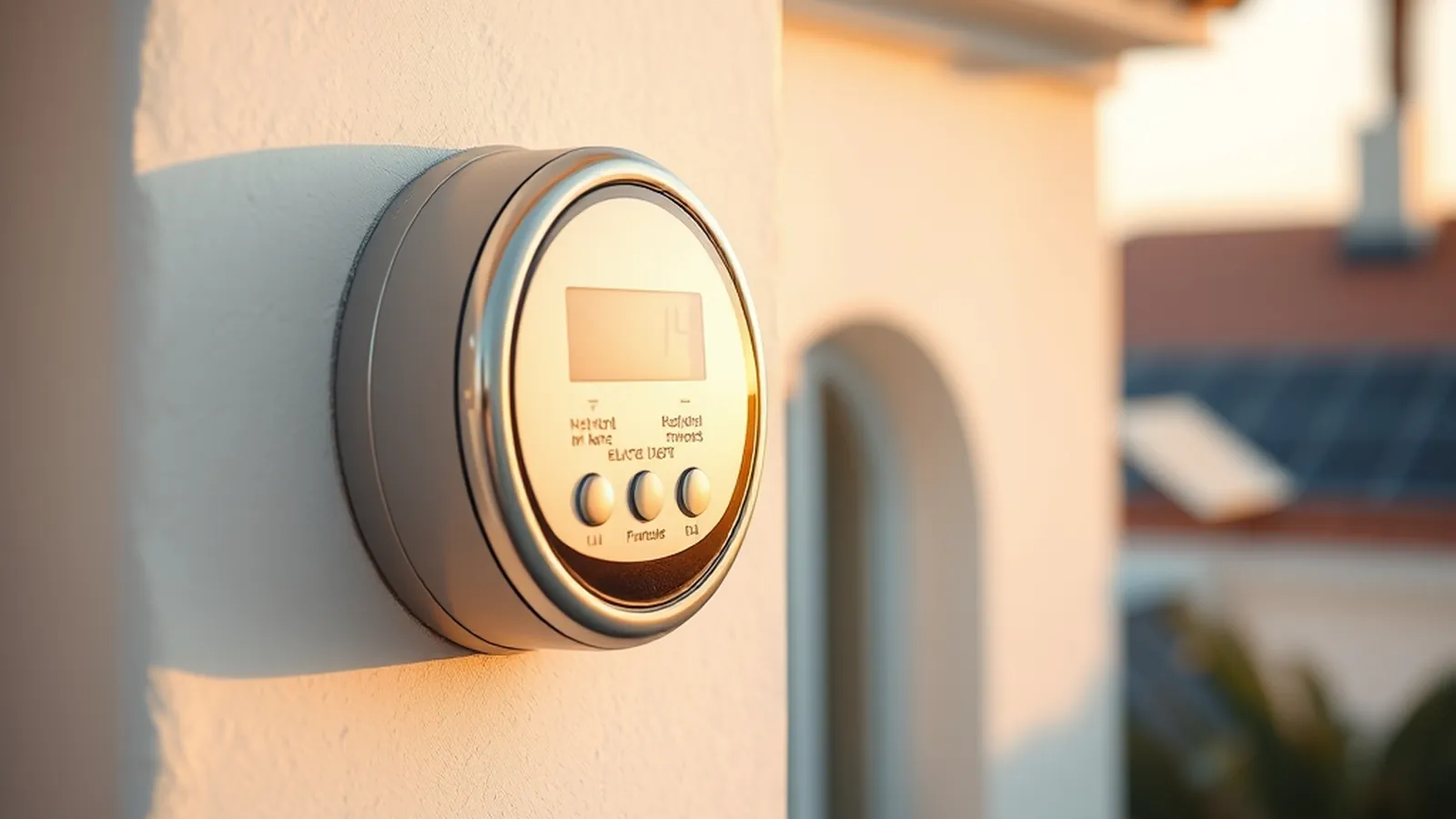
The good way: your consumption curve. If you have a smart meter, the customer area of E-Distribución, the grid operator in Málaga, shows your load curve under «Mi consumo». You need to register as the contract holder. Add up what you use from the evening to the morning on several summer and winter days.
The rough guide: your bill. The household tariff (2.0TD) splits consumption into three periods. Off-peak (P3) runs from midnight to 8 a.m. on working days and covers the whole day at weekends and on national holidays, according to CNMC Circular 3/2020. It is a useful hint but not exact: it leaves out what you use in the early evening (dinner, lights, TV), which counts as peak or mid-peak, and it includes what you use in daytime at weekends.
Look at both seasons. Air conditioning on summer nights, or a heat pump in winter, can change your night-time use a lot.
Does the battery fill up in winter?
The battery only charges with what is left after covering the house during the day. According to PVGIS, a 5 kWp system in Málaga produces on average about 17.2 kWh a day in December and 27 kWh in July, with the panels at 30° facing south.
Average output of 5 kWp in Málaga in December
17.2 kWh/day
Illustrative example: if the house uses 8 kWh during the day, an average December day leaves about 9 kWh spare. A 10 kWh battery would not fill up; in summer it would. And on cloudy days output is below average.
That is why a 10 kWh battery works better if nobody is home during the day, so more is left over, or if the system has more panels.
What each extra 5 kWh adds
A battery gives back, at most, what it holds once a day. Rough sum: 5 kWh every day of the year comes to about 1,800 kWh; 10 kWh to about 3,650, but only if you use 10 kWh every night and have 10 spare every day to fill it.
The first 5 kWh work almost every day. The next 5 only work when you use more than 5 at night and there was sun to spare to charge them, and in winter, with 5 kWp, we’ve seen there often isn’t. That is why each extra kWh earns less than the one before. You can estimate what your roof produces in our solar calculator.
Start with 5 and add more later
Modular batteries grow by modules. The Huawei LUNA2000-S0, for example, comes in 5 kWh modules: one, two or three give you 5, 10 or 15 kWh usable, according to its specification sheet. If you are torn between 5 and 10, you can start with 5 and add a module once the inverter app shows how many nights it runs empty.
When 10 kWh is worth it
10 kWh usually makes sense if:
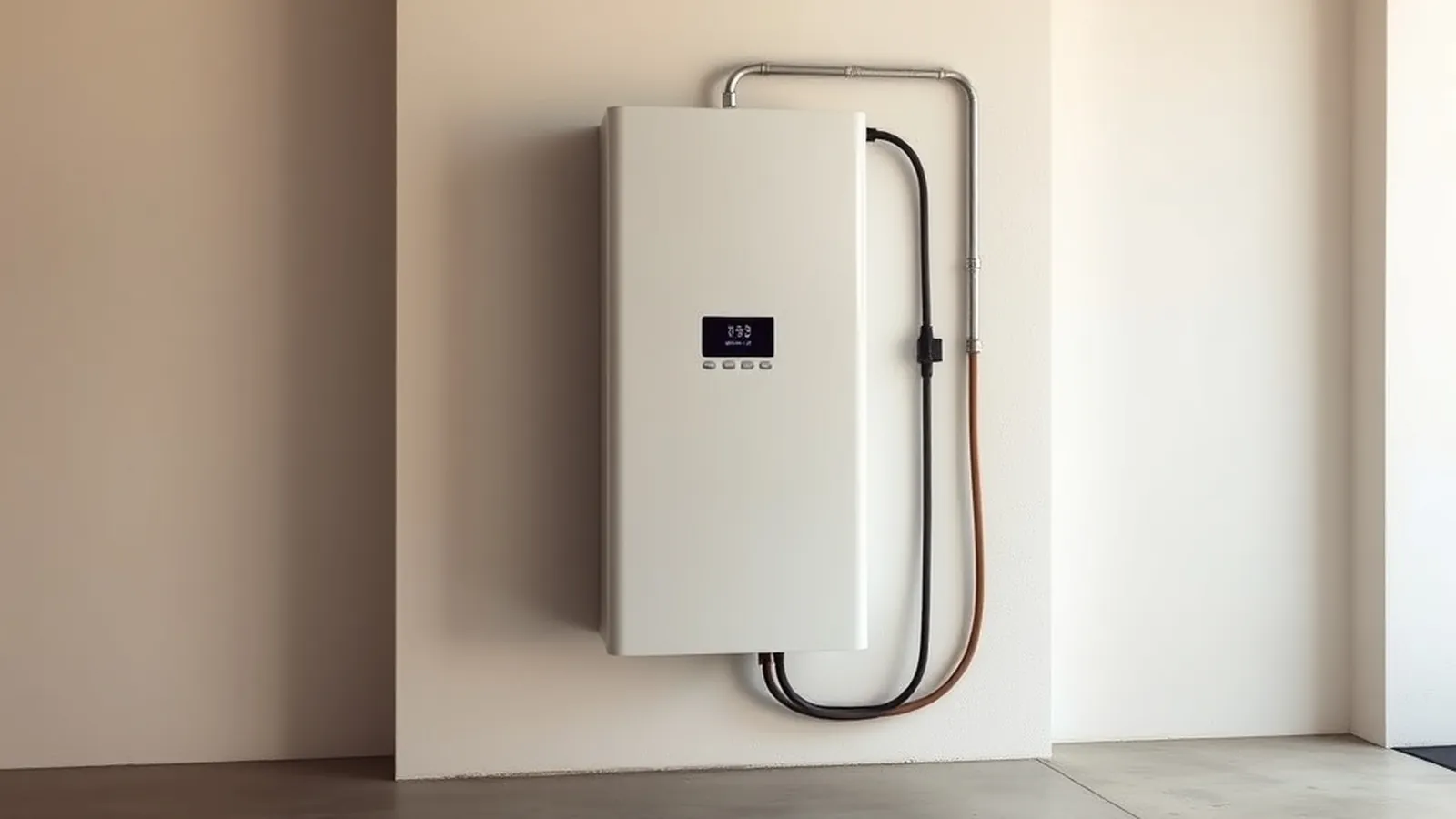
- you regularly use more than 5 kWh at night: air conditioning, a heat pump, an electric water heater that heats overnight or an electric car you charge when you get home;
- the house is empty during the day, so most of the output is spare;
- the system has more panels than average, so it fills up in winter too.
5 kWh is usually enough if someone is home during the day, because you use power while the sun shines and less is left over, or if your night-time use is low.
We cover the price of each option, and why a battery does not always pay for itself, in solar panels with battery: 2026 prices. If you don’t yet know how many panels you need, start with how many solar panels do I need, and for the full cost of a system, see our guide to solar panel prices in Málaga.
We’ll work it out with your data
Send us your consumption curve or a recent bill and we’ll tell you which capacity suits you. We’ll quote with and without a battery, so you can see what each option adds in your home. You can request your study here or run a first estimate in the calculator.
Output estimate based on PVGIS (European Commission). Real output can vary by around ±10 % depending on exact orientation, shading and how clean the panels are.
Preguntas frecuentes
Does a bigger battery always save more?
No. It only saves the energy it stores and you then use. If you use less at night than it holds, the extra capacity is hardly ever used.
How do I see how much I use at night?
If you have a smart meter and the contract is in your name, your load curve is in the E-Distribución customer area, under «Mi consumo». Your bill gives a hint through the off-peak period, but leaves out what you use in the early evening.
Can I add more battery later?
With a modular battery and a compatible hybrid inverter, yes: you add modules. Plan for it in the first quote, even if you start small.
Will the battery keep the lights on in a power cut?
Only if the system has a backup function. Without it, the inverter disconnects when the grid goes down, even with a full battery.
Verified sources
Every figure in this article links to its primary source. Verified 5 Nov 2026.
-
PVGIS: 5 kWp in Málaga (30°, south, 14 % losses, free-standing) produce 17.2 kWh/day in December and 27.0 kWh/day in July; 1,652 kWh/kWp per year
-
2.0TD access tariff: off-peak period (P3) from 00:00 to 08:00 on working days and all hours on Saturdays, Sundays and national holidays (CNMC Circular 3/2020, art. 7.3)
-
E-Distribución: smart-meter load curve in the private customer area, «Mi consumo» section, for the contract holder
-
Huawei LUNA2000-S0: 5 kWh modules; 1, 2 or 3 modules give 5, 10 or 15 kWh usable
━ End of article ━
Data verified against primary sources: PVGIS · BOE · BOJA · OMIE · Fundación Renovables
Last verification: 5 November 2026