guias · Editorial pillar Published 7 Apr 2026 min read
How does solar self-consumption work?
Simple step-by-step guide: panels, inverter, self-consumption, surplus and compensation. Self-consumption ratio with and without battery. Real Málaga data.
Beginner-friendly guide. Indicative figures based on PVGIS Málaga and RD 244/2019. Translation may need a fact-check pass.
Solar panels convert sunlight into electricity you can use directly at home. It’s simpler than it seems — and understanding it helps you make better decisions about your installation. Here’s the complete explanation, with real Málaga data and without unnecessary technical terms.
Step-by-step process
1. Panels generate DC electricity
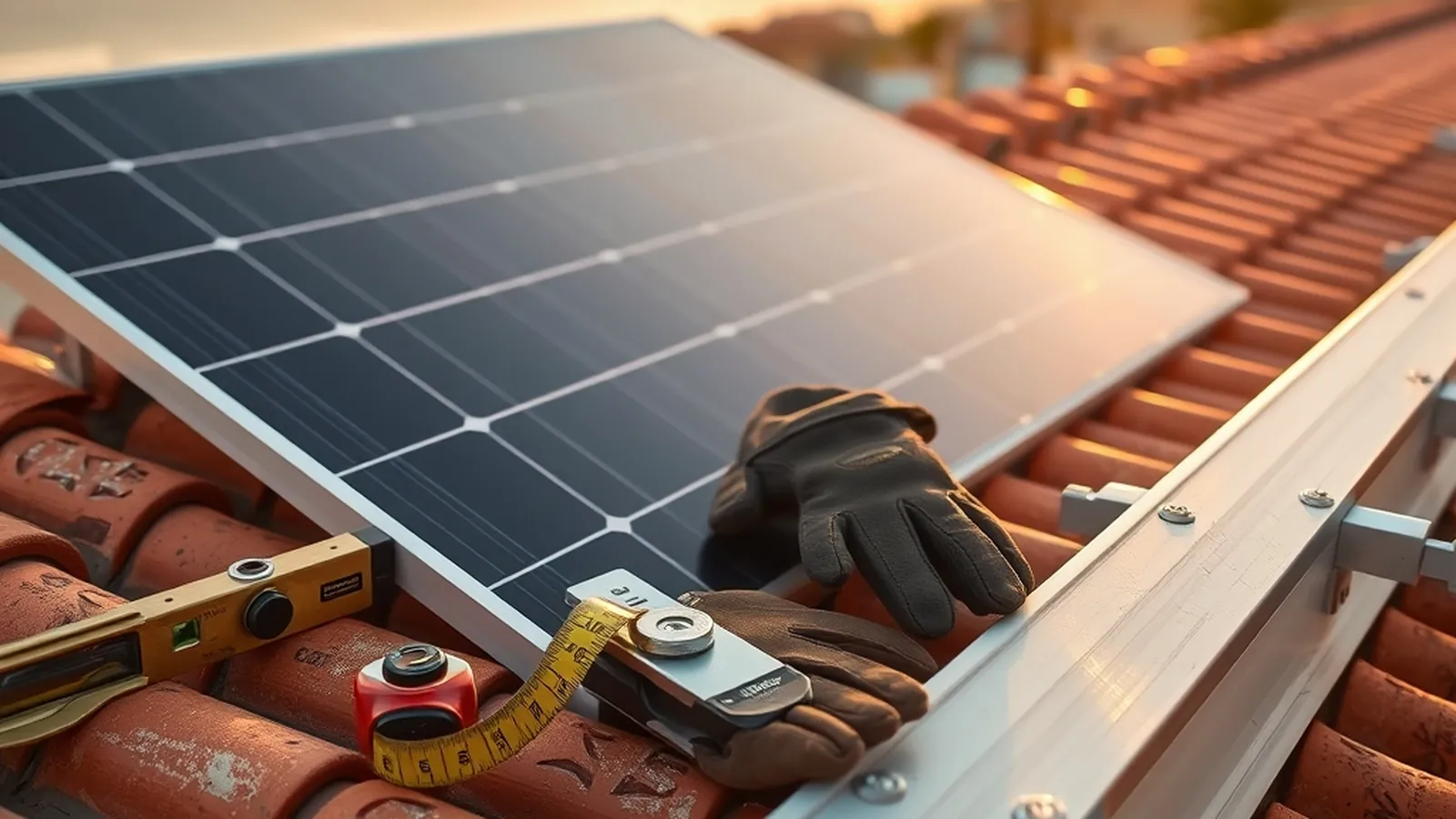
Photovoltaic solar panels contain silicon cells that generate direct current (DC) when receiving sunlight. In Málaga, with 2,125 kWh/m²/year solar irradiation PVGIS 5.2 · 2026-09-30 (data from PVGIS, European Commission), each kWp installed produces 1,652 kWh/year.
Production per kWp in Málaga
1,652 kWh/kWp/year
2. Inverter transforms DC to AC
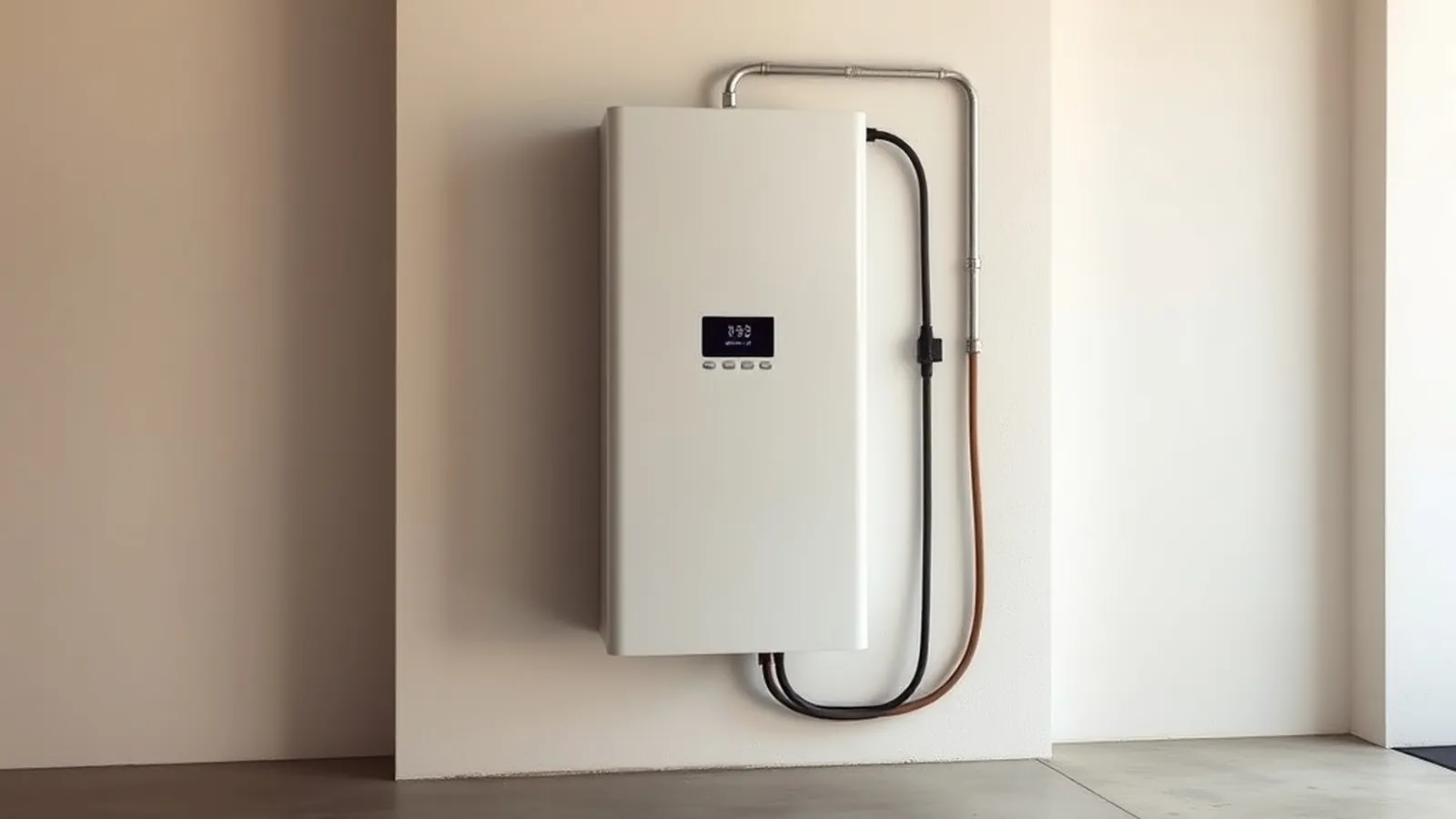
The inverter is the “brain” of the installation. It converts direct current (DC) from panels to alternating current (AC), which is what your appliances and the grid use. Without inverter, panels would be useless for a home.
3. You consume what you produce — in real time
Your home first consumes generated solar electricity. Fridge, washing machine, AC, computers — all run on your own energy while there’s enough sun. If you produce more than you consume, the surplus goes to the next step.
4. Surplus is exported to grid
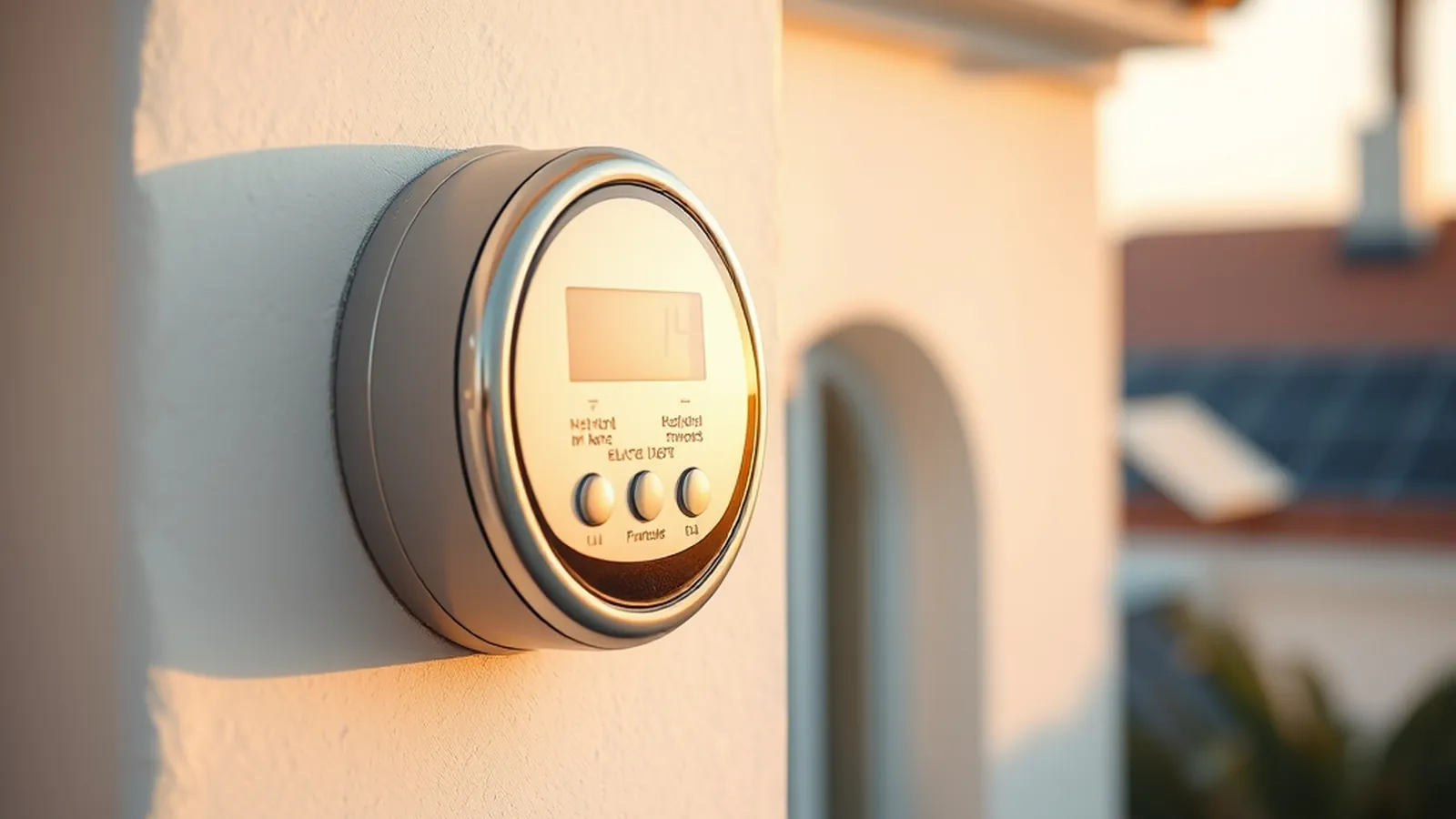
When you produce more than you consume (typically at noon), surplus electricity is automatically injected to grid through the bidirectional meter. Your retailer compensates you for that surplus by discounting it from your bill.
What is self-consumption ratio?
The self-consumption ratio is the percentage of your solar production you consume directly, without going through grid. It’s the most important indicator to understand how much your installation really saves you.
| Configuration | Self-consumption | Explanation |
|---|---|---|
| No battery | 30-40% | You consume only when producing (sun hours) |
| With 5 kWh battery | ~60% | Store daytime production for evening-night |
| With 10 kWh battery | ~75% | Cover almost the whole night |
| With 15+ kWh battery | ~85% | Maximum independence (marginal performance) |
How does surplus compensation work?
The Royal Decree 244/2019 regulates the simplified compensation system, applied to virtually all residential installations under 100 kW:
To dive into the different modalities and which to choose, read our self-consumption vs grid feed analysis.
Do I need a battery?
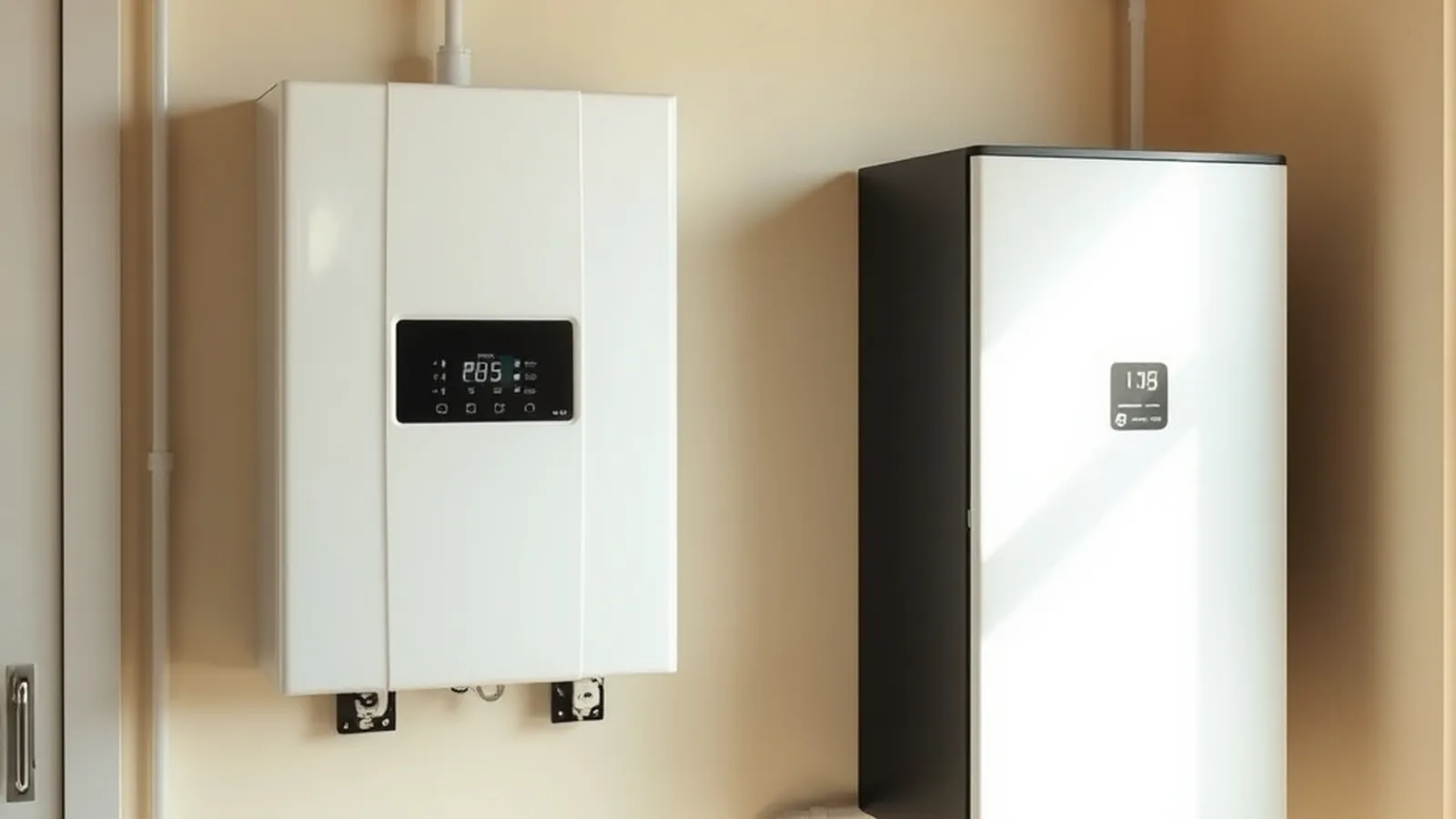
It’s not mandatory. An installation without battery works perfectly and is profitable. The battery improves self-consumption and energy independence, but has significant cost that doesn’t always compensate.
| Configuration | Investment 5 kWp | Savings/year | Payback |
|---|---|---|---|
| No battery | €6,000 – €7,500 | ~€777 | ~8 years |
| With 10 kWh battery | €11,000 – €13,000 | ~€950 | ~12-14 years |
See full detail in our battery price guide.
How many panels do I need based on my bill?
Quick reference based on your current monthly bill amount:
| Monthly bill | Recommended system | 500W panels | Annual production |
|---|---|---|---|
| €50-80 | 3 kWp | 6 panels | ~4,956 kWh |
| €80-150 | 5 kWp | 10 panels | ~8,260 kWh |
| €150-250 | 7-8 kWp | 14-16 panels | ~11,564-13,216 kWh |
| €250+ | 10 kWp | 20 panels | ~16,520 kWh |
For an exact calculation with real data from your municipality (not all have the same radiation), check our how many panels guide.
Calculate your specific case
Every home is different. Our solar calculator uses real PVGIS data for your exact municipality (Marbella, Nerja, Torrox, etc., each with slightly different production) and gives you a personalized estimate with scenarios with and without battery, with and without subsidies.
Preguntas frecuentes
Do solar panels work with rain or cloudy weather?
Yes, but with lower performance. On cloudy days they produce approximately 10-25% of a sunny day. Solar production is measured by total annual radiation (in Málaga: 2,125 kWh/m²/year), not by individual sunny days.
What if there's a grid blackout?
By law, standard installations must disconnect automatically when grid drops (to protect operators). To keep electricity during a blackout, you need an inverter with UPS function (backup) and a battery. Not all inverters support it — verify before buying.
How much maintenance does a solar installation need?
Very little. Annual panel cleaning (dust, pollen), visual inspection of wiring and connections every 2-3 years, and inverter replacement at 10-15 years. No moving parts or mechanical wear.
Can I install solar panels if I live in an apartment?
Only if the building adopts collective self-consumption (RD 244/2019) — installation goes on community rooftop and production is shared between neighbors. Requires owners' community agreement. If you live on ground floor with own patio, you can install on your private part.
What happens with the installation when I sell the house?
Installation stays with the property and increases sale value. Studies show 3-8% increase in sale price. Panel warranty (25 years) transfers to new owner.
Verified sources
Every figure in this article links to its primary source. Verified 30 Sept 2026.
-
PVGIS solar production Málaga 1652 kWh/kWp/year
-
RD 244/2019 self-consumption and simplified compensation
-
OMIE wholesale market hourly price
━ End of article ━
Data verified against primary sources: PVGIS · BOE · BOJA · OMIE · Fundación Renovables
Last verification: 30 September 2026